Status as of November 18, 2026: Housing-age figures are from the U.S. Census Bureau's American Community Survey. Court costs are from the 2026 magisterial district judge cost schedule. Price ranges reflect my own experience in the market. The dollar example below is illustrative, with assumed numbers, not data.
Here is the pattern I see over and over. An investor, often from another state or another country, buys a unit in a C or D area for somewhere between $30,000 and $50,000. Sometimes it's a turnkey package; sometimes it's a wholesaler's deal. The rent looks strong next to the price, the pro forma shows a high cap rate and a few hundred dollars a month of "cash flow," and it feels like a steal.
In most cases it isn't a deal. What they've bought is a years-long process of repairs, and of figuring out the hard way why the property was priced so low.
I've owned and run rentals here for a long time, and I'll be direct: in C and D areas, paper cash flow is usually vanity. What you think you collect for a couple of years tends to get wiped out by one eviction, one turnover, and one big repair. These properties can work. In my experience they cash flow when they're paid off, and only after they've been properly stabilized.
What "C class" and "D class" mean
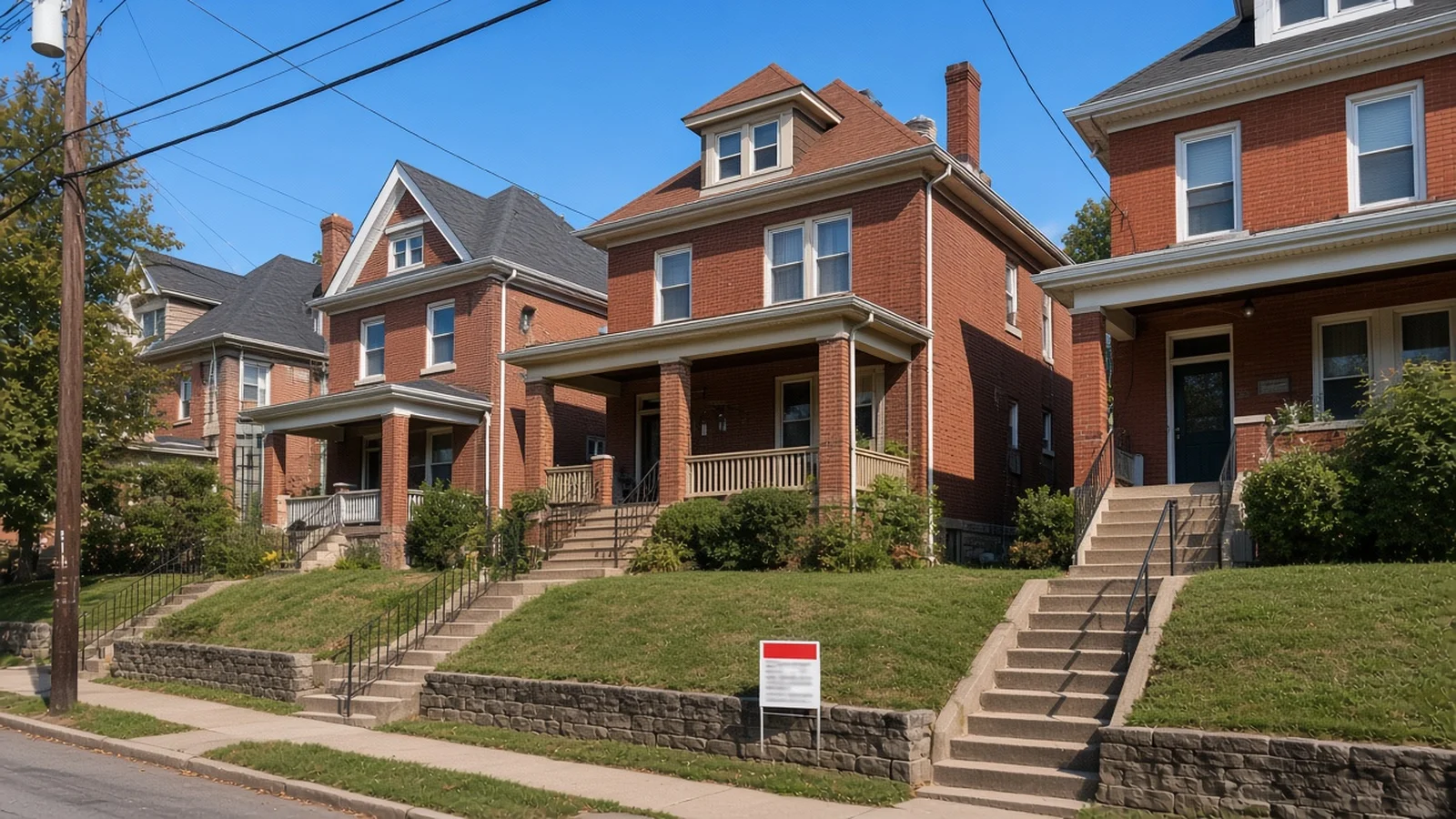
Investors use letter grades as shorthand. There's no official definition. Generally, an A property is newer or fully updated, with top-of-market rent. B is older but well kept. C is older housing with dated systems and moderate rent. D is the oldest, most worn stock, often with heavy deferred maintenance and the lowest rents in the area.
When I talk about C and D, I mean the property: its condition, its systems, and the economics of the rent it can earn. Not the people who live there. Good residents live in every grade of housing. The problem is that a low rent leaves very little margin for the costs every old building throws off.
Why it's priced that low: the market already knows
A low price isn't a secret the local market missed. It's the market's estimate of everything that comes with the house.
- The systems are at or past the end of their life. Roof, boiler or furnace, water heater, sewer lateral, electrical, plumbing, foundation, and on hillside lots, retaining walls.
- Repair costs don't shrink with the price. If a roof costs, say, $10,000, it costs about the same on a $40,000 house as on a $250,000 house. On the expensive house it's a maintenance item. On the cheap one it's a quarter of what you paid. Meanwhile the rent ceiling on a C or D unit is low, so every fixed-cost repair eats months or years of income.
- Turnover and collections cost more, relative to the rent. At lower rent levels, a month or two of lost rent, a court filing, and a make-ready after move-out are a big share of the year's income. That's an economics problem, not a statement about any tenant, and it's why consistent screening and a clear collection process matter so much.
- Insurance and financing can be harder. Older wiring, deferred roofs, or vacancy can limit which insurers will write a policy and at what price. Small loan amounts and property condition can limit which lenders will lend. Fewer financing options means fewer buyers, which also keeps prices down.
- Appreciation has often been slow. Many investors here count on cash flow rather than price growth. If the cash flow isn't real, there's nothing left in the return.
- They take time and management. Older buildings generate more calls, more contractor visits, and more decisions. If you live far away, somebody has to be paid to handle all of that.
- The buyer pool is mostly other investors. When you go to sell, you're usually selling to someone running the same math you should have run. They'll price in the same repairs.
The question isn't "how is this so cheap?" It's "what will it cost me to find out?"
What you're really buying: a multi-year repair and learning process
Here's the arc I see most often when someone buys an unstabilized C or D unit from a distance.
Year 1: surprises. The inspection report was thinner than the house. The water heater or heating system goes in the first winter. A sewer backup leads to a camera scope and a lateral repair. The rent roll the seller provided doesn't match what actually gets paid. Cash flow is already below the pro forma.
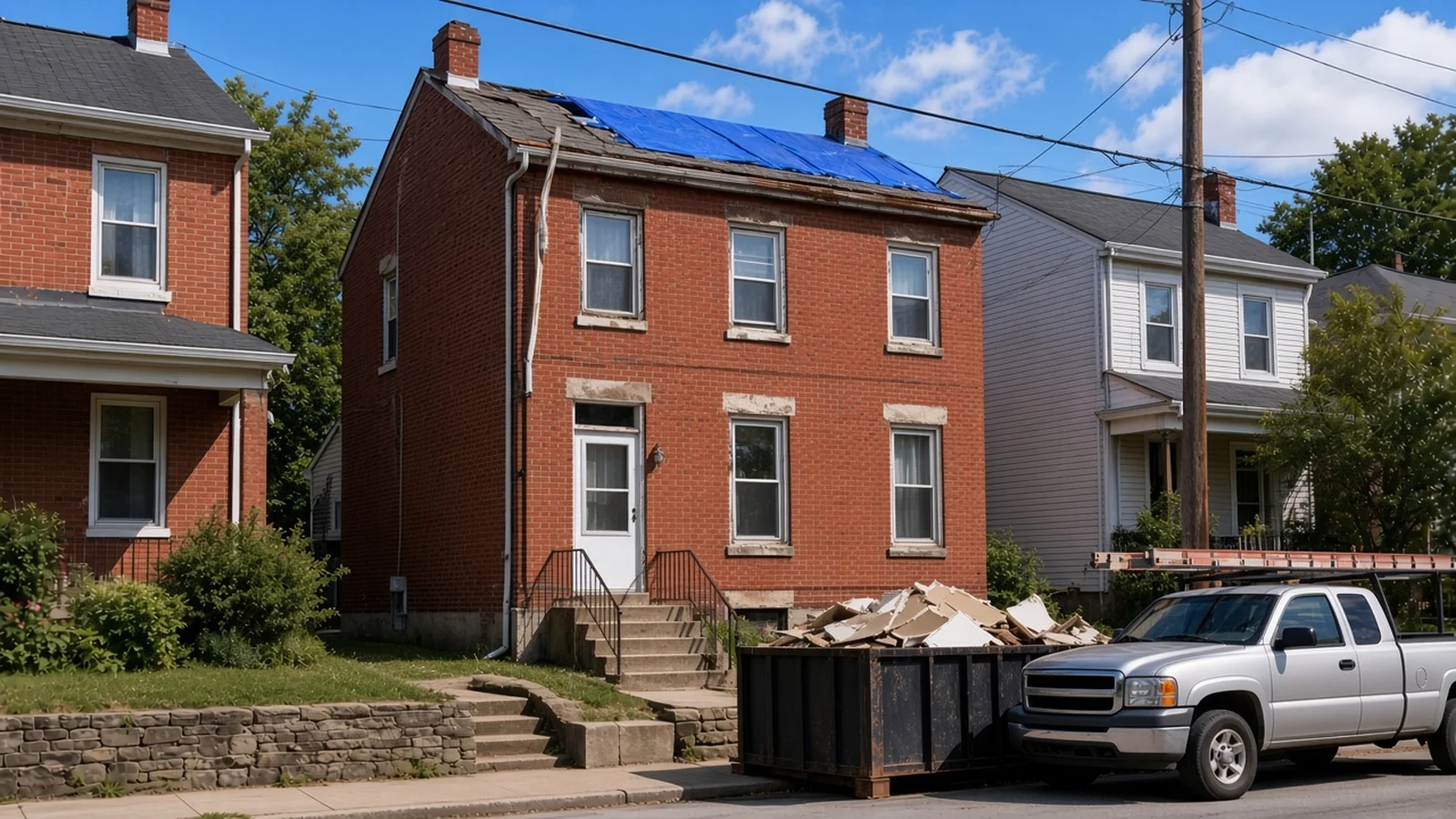
Year 2: turnover and capital work. A tenancy ends, sometimes through the court. The unit comes back needing paint, flooring, fixtures, and repairs, and in a pre-1978 house, lead-safe work practices add cost and time. The roof or electrical issue that was "fine for now" isn't anymore. This is usually the year the paper cash flow from the first two years disappears.
Year 3: maybe stable. If the owner reinvested in the systems, tightened up the lease, screening, and collection process, and found reliable local help, year three can finally look like an investment. If not, the cycle repeats, and many owners sell at a loss to the next investor who thinks they're buying a deal.
The owners who come out ahead aren't the ones who found the cheapest house. They're the ones who budgeted for the stabilization up front, or bought it already done.
Why the pro forma looks so good
A seller's pro forma is a sales document. The rent is real and the price is low, so the yield looks high. What usually gets left out or penciled in too low: vacancy, turnover make-ready, capital repairs on old systems, management fees, the cost of owning from far away, and eviction. If rent stops, Pennsylvania's process runs through a notice to quit, a landlord-tenant complaint at the magisterial district court, a hearing, and an order for possession. In 2026 the court's cost to file is $102.50 to $171.00 depending on the amount claimed, plus postage, constable service, and any legal help. The bigger cost is the rent you don't collect while it runs. See PA Landlord-Tenant Basics for Out-of-State Owners and the fuller expense model in How to Run the Numbers on a Pittsburgh Rental.
The housing is old, and old systems fail on their own schedule
In the Census Bureau's 2024 American Community Survey, the median housing unit in the City of Pittsburgh was built in 1944, and about 47% of the city's units were built in 1939 or earlier. Across Allegheny County, the median year built was 1958, with about 27% of units from 1939 or earlier.
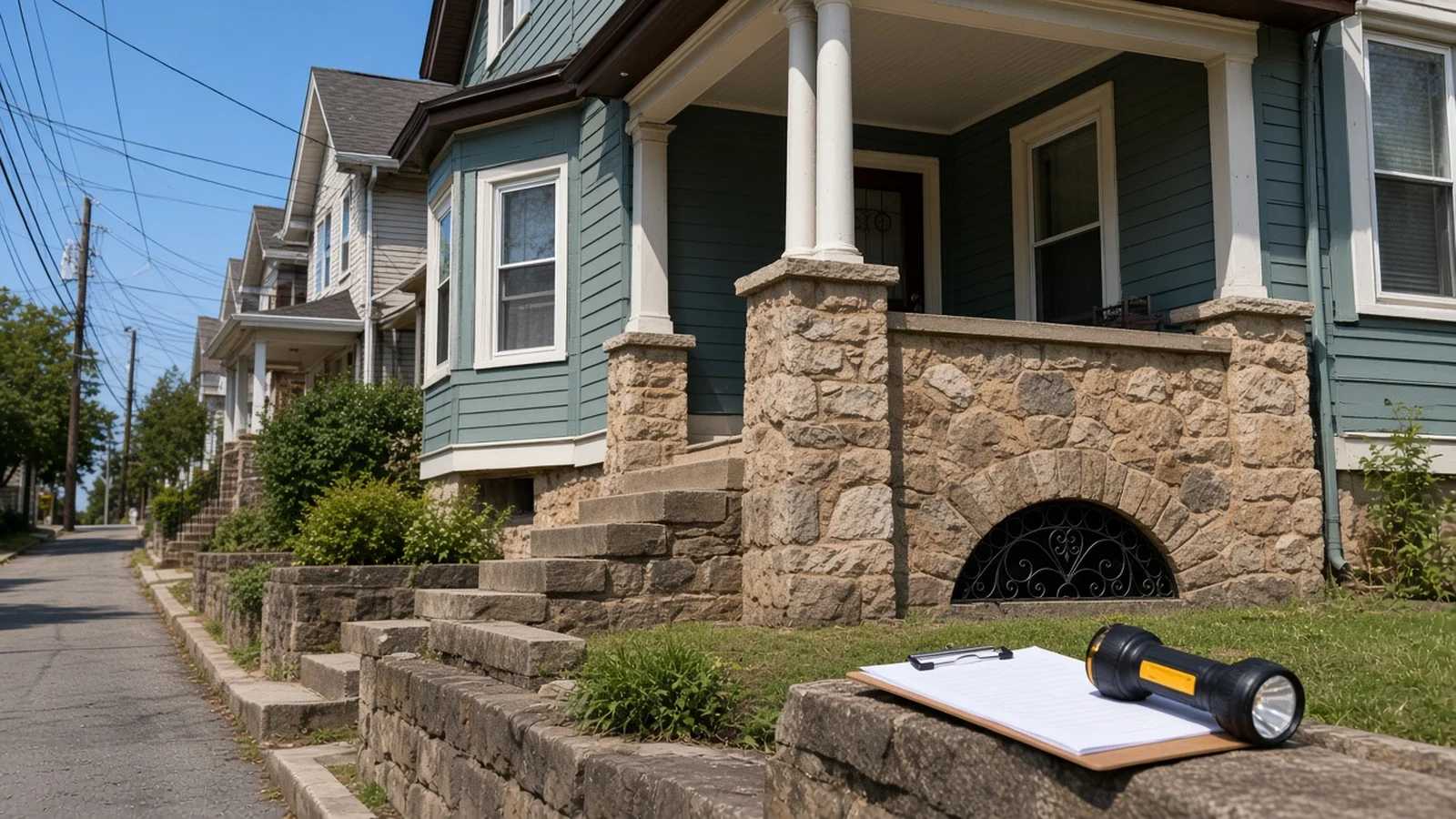
Underground, the sewer lateral is yours. Pittsburgh Water says the entire lateral belongs to the property owner, with the utility maintaining only the main and a small section at the wye; see Sewer Laterals, Camera Inspections, and Backup Coverage. Lead-based paint was banned for home use in 1978. Landlords of older housing have to make federal lead disclosures before a lease is signed, and anyone paid to disturb paint in a pre-1978 rental generally has to be EPA-certified and follow lead-safe practices. Older homes may also have lead water service lines. My inspection list is in What to Inspect on an Old Pittsburgh House.
An illustrative example: the $40,000 unit
This is a made-up example with assumed, rounded numbers. It isn't data, and your property will be different. It shows the arithmetic, not a forecast.
Say you pay $40,000 cash for a C-class unit in an older brick house. No mortgage. It rents for $950 a month. The seller's pro forma shows:
- Rent: $950
- Taxes, insurance, and a small repair allowance: about $400
- "Cash flow": $550 a month, or $13,200 over two years
That's a 16.5% return on paper. Now a realistic two years on an unstabilized old house, with assumed costs:
| What happened (assumed) | Cost |
|---|---|
| Tenant stops paying; 3 months of rent lost before possession | $2,850 |
| Filing, constable, and legal costs for the eviction | $600 |
| Turnover make-ready: trash-out, paint, flooring, repairs | $6,000 |
| One month vacant while re-leasing | $950 |
| One major repair (for example, a boiler or a sewer lateral) | $7,500 |
| Property management at 10% of rent actually collected ($19,000) | $1,900 |
| Total not in the pro forma | $19,800 |
Against $13,200 of paper cash flow, that's about $6,600 out of pocket over two years, on a house with no mortgage. The two big items alone, the turnover and the repair, add up to more than a third of the purchase price. Finance the purchase and it gets worse by every loan payment.
Now picture year three, after that boiler and turnover are done, the lease and screening are tightened, and a reserve is set aside. The same $550 a month is much more likely to show up. That's what I mean when I say these properties cash flow when they're paid off and stabilized. Either one alone usually isn't enough.
When C and D properties do work
- Low or no leverage. A paid-off house can absorb a bad year. A highly leveraged one can't.
- After real stabilization. A roof, heat, water heater, electrical, and sewer you're not worried about; then a written lease, the same screening criteria applied to every applicant, and a clear rent-collection process. If you're taking over a property that isn't there yet, start with Inherited a Struggling Pittsburgh Rental?
- A price that pays for the stabilization. Count the system replacements as part of what you paid, not as a surprise later.
- A realistic reserve, set aside before you need it.
- Local eyes. A manager or advisor who actually walks the building.
Some owners also look at the Housing Choice Voucher program, which has its own inspection standards; see Section 8 in Allegheny County. If your plan is to renovate and refinance, read BRRRR in Pittsburgh: Does It Still Work? and Pittsburgh Rowhouse and Duplex Rehab Costs first.
How to screen a C/D deal before you buy
- Get the real rent history. Ledgers, leases, and deposits, not a rent roll typed up for the sale.
- Age every major system. Assume anything near the end of its life will need replacing on your watch, and add it to the price.
- Price a turnover. What would it take to make this unit rent-ready tomorrow?
- Add what the seller left out. Vacancy, management, leasing, eviction risk, and a capital reserve.
- Ask why it's cheap. Then ask who will buy it from you, and what they'll pay.
- Run it with your real financing, then with one bad year.
- Walk it, or have someone walk it for you. Photos don't show a bowed wall or a cracked lateral.
Neighborhood-level checks are in Best Pittsburgh Neighborhoods for Rental Property.
A quick checklist
- Pro forma rebuilt with vacancy, management, turnover, and capex lines
- Real rent ledger and leases reviewed
- Age and condition of roof, heat, water heater, electrical, plumbing noted
- Sewer lateral camera-scoped
- Lead disclosure and lead-safe work costs considered for a pre-1978 house
- Insurance quote and financing confirmed for this property as it stands
- Eviction time, lost rent, and turnover cost modeled
- Stabilization budget added to the purchase price
- Reserve funded before closing
FAQ
Is a $30,000–$50,000 rental unit ever a good deal? It can be, if the price leaves room to stabilize it and you budget for that work up front. In my experience cash flow becomes real once the unit is paid off or lightly leveraged and stabilized. If the price only works with the seller's pro forma, it's usually not a deal.
Why does the cap rate look so high on these houses? The price is low compared with the rent, and the pro forma often leaves out vacancy, eviction, turnover, management, and capital repairs. Put those back in and the number usually drops a lot.
What does an eviction cost in Allegheny County? In 2026 the court's cost to file a landlord-tenant complaint is $102.50 to $171.00 depending on the amount claimed, before postage, constable fees, and any attorney. The larger cost is usually the lost rent and the turnover afterward.
Should out-of-state investors avoid older Pittsburgh houses? No. Most housing here is old. Buy with the real repair and operating costs in your numbers, not the seller's.
How PRC helps
- Desktop Deal Screen: $395, or $295 promotional through March 31, 2027. A two-business-day desktop review that puts the seller's numbers back on a realistic worksheet, with vacancy, management, turnover, and reserves. The fee is credited toward a full Acquisition Review.
- Acquisition Review: $1,995, or $1,495 promotional through March 31, 2027. It includes a site visit, so someone actually walks the house and ages its systems, and the written review is delivered five business days after that visit.
- Stabilization & Turnaround Advisory: from $3,500. If you book by March 31, 2027, it includes 30 days of follow-up check-ins.
Not sure which fits? Book a free 20-minute discovery call, or see all services on the pricing page.
Sources
- U.S. Census Bureau, American Community Survey 2024 1-year estimates, Tables B25034 (Year Structure Built) and B25035 (Median Year Structure Built), City of Pittsburgh and Allegheny County, via Census Reporter
- 204 Pa. Code § 29.402 (magisterial district judge costs, calendar year 2026)
- Pittsburgh Water, Pipe Ownership
- U.S. EPA, Real Estate Disclosures about Potential Lead Hazards and Lead Renovation, Repair and Painting Program
This article is general information for property owners and investors, not legal, tax, financial, or property-management advice. Price ranges reflect the author's experience, and the example uses assumed numbers for illustration only. Talk to a Pennsylvania attorney, a tax professional, and a qualified inspector before you buy.
Want a second set of eyes on your rental?
Talk with Eddie about your property, your concerns, and the right next step.
Book a free 20-minute discovery call