Status as of November 17, 2026: Agency cash-out refinance seasoning rules cited below are from Fannie Mae Selling Guide B2-1.3-03, dated December 10, 2025. Confirm current lender overlays before you count on a refinance date.
BRRRR is the shorthand for buy, rehab, rent, refinance, repeat. The pitch is simple: buy a tired house, fix it, lease it, pull your capital out through a new loan, and do the next one. In a market where list prices still look low compared with the coasts, that pitch gets a lot of out-of-state interest.
It can still work in Pittsburgh. It works when the building, the rehab, the rent, and the refinance are underwritten to facts, not to a spreadsheet that assumes a perfect appraisal and a three-month timeline. When it fails here, it usually fails in the same places: the rehab costs more and takes longer than planned, the refinance appraisal comes in below the hoped-for after-repair value, or the loan the buyer counted on is not available on the timeline they used.
The exit is the part most people skip
A BRRRR is not finished when the paint dries. It is finished when a lender is willing to make a loan on an appraised value that supports the cash-out you need, at a payment the rent can carry.
If you plan to refinance with an agency loan, read the current rules, not a forum post. Fannie Mae's Selling Guide for cash-out refinances (B2-1.3-03, December 10, 2025) requires that at least one borrower have been on title for at least six months before the new loan is disbursed, with limited exceptions such as an inheritance or a documented delayed-financing path. If an existing first mortgage is being paid off, that loan generally must be at least 12 months old, measured note date to note date. Those are seasoning rules, not a guarantee of approval. Maximum loan-to-value ratios, credit, reserves, and pricing for investment properties are tighter than for a primary residence, and they change. Confirm them with your lender and the current Eligibility Matrix.
Local banks, credit unions, and portfolio lenders may use different timelines. Hard-money or rehab lenders often expect a take-out loan, and they are not a substitute for checking that take-out. Do not run a 90-day "rinse and repeat" calendar if your actual loan will not allow a cash-out that soon.
The appraisal is not your ARV spreadsheet
Investor materials talk about after-repair value as if it were a fact. An appraiser works from closed comps, the condition of the house on inspection day, and the neighborhood as it is, not as you hope it will be. A high-end finish in a block of modest rentals may not appraise for what you spent. Unfinished punch-list items, a damp basement, or a missing permit can also show up in the report.
If the appraisal comes in short, the refinance cannot pull out the cash you planned on, and you are holding a rehab loan or a large cash investment longer than the model allowed. That is why the purchase price plus a realistic rehab, plus carrying costs, has to work even if the refinance is delayed or smaller than expected. I would rather underwrite the deal as a keep-and-cash-flow rental first, and treat a successful refinance as a bonus, than the other way around.
For the income side of that test, use actual rents and a full expense worksheet, not a rent estimate minus a mortgage payment. How to Run the Numbers on a Pittsburgh Rental walks through taxes, vacancy, and reserves. HUD Fair Market Rents are a gross-rent benchmark, not a contract rent.
Rehab and contractors will set the clock
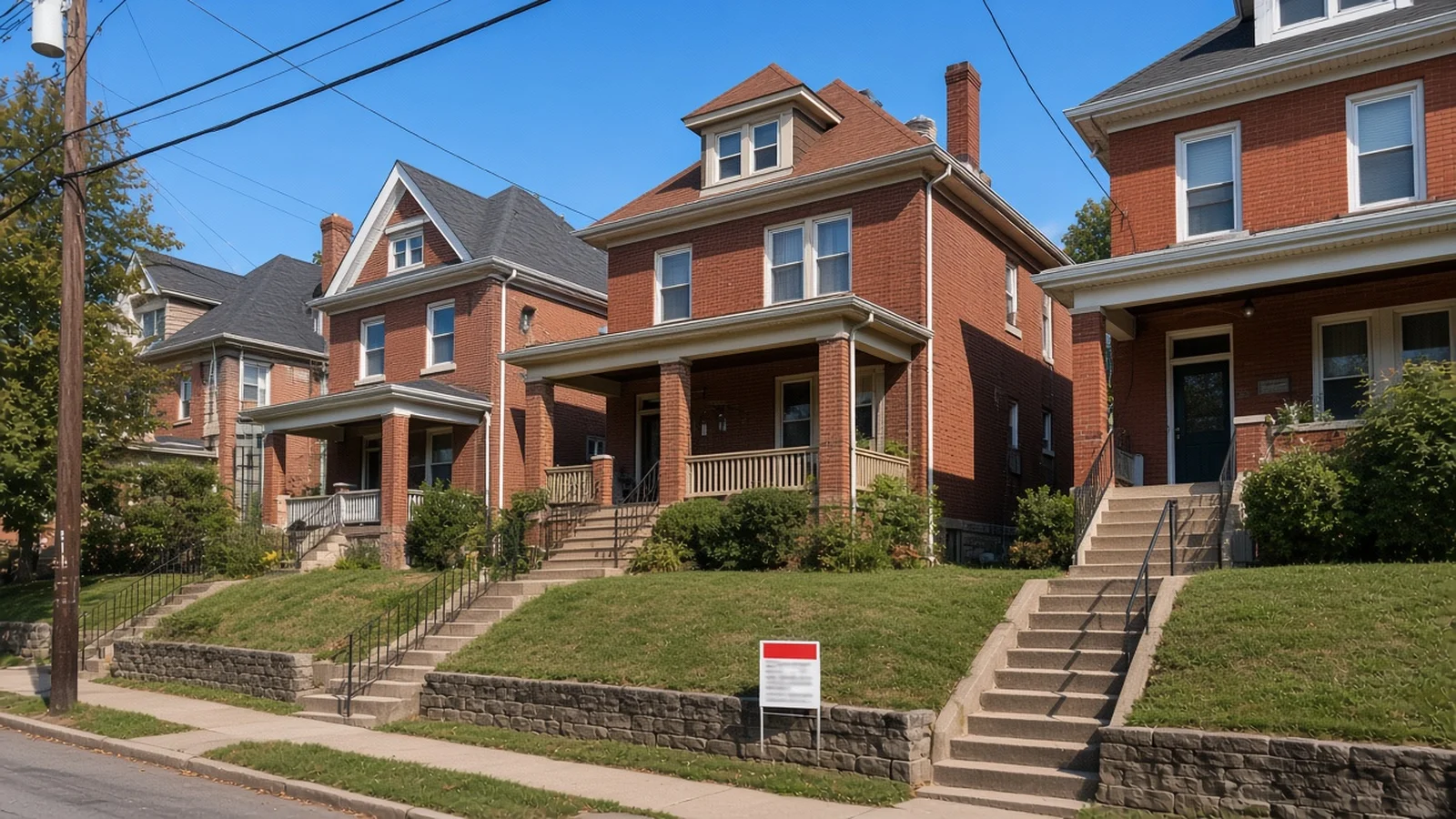
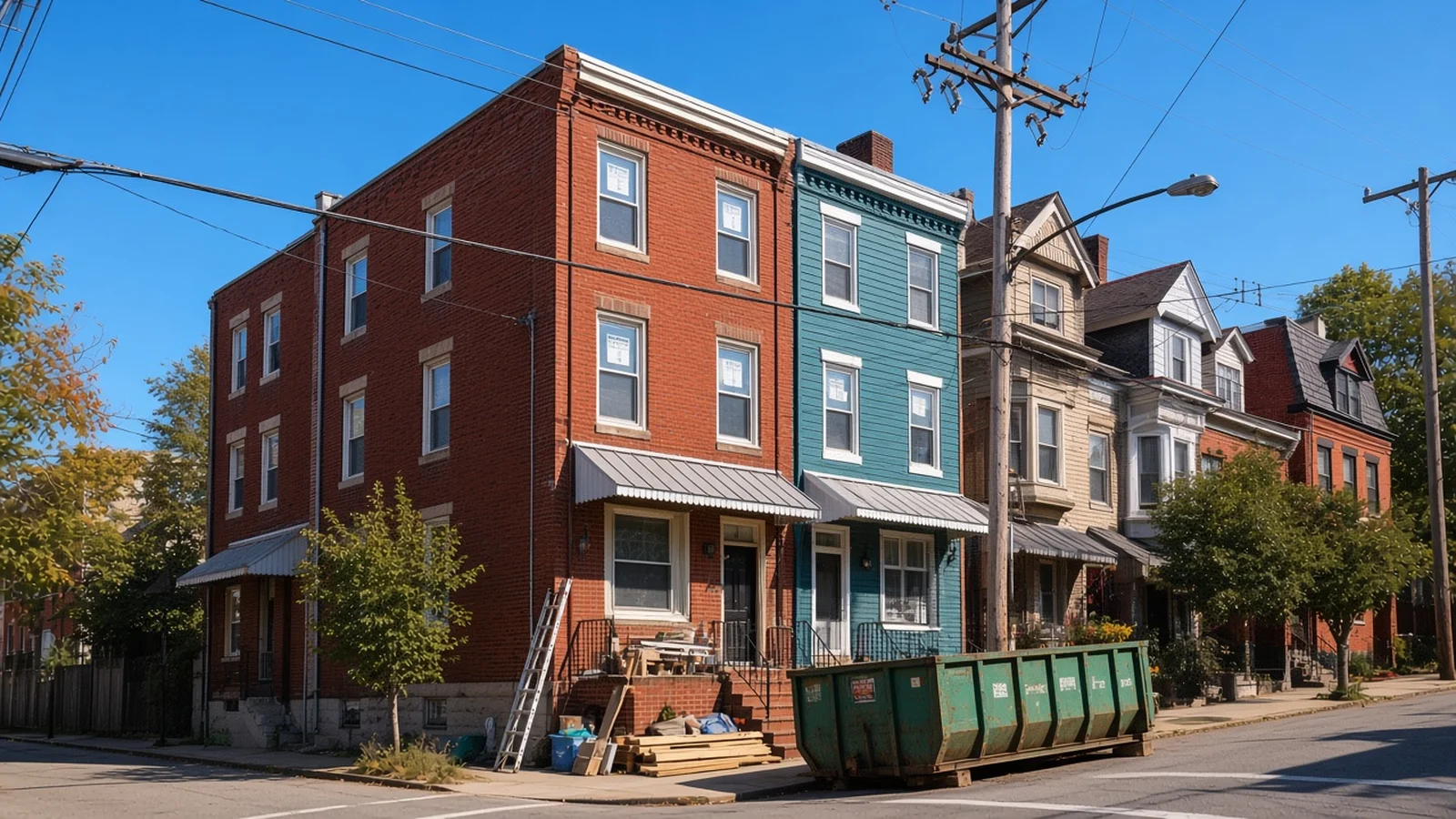
The houses that look like BRRRR candidates here are often older rowhouses and duplexes. The work that blows a budget is usually not the kitchen cabinets. It is the sewer lateral, the lead service line, the unlined chimney and the water heater still vented into it, knob-and-tube wiring, a wet foundation, or a hillside retaining wall. I go through those cost drivers, and why I am not publishing a fake per-square-foot menu, in What It Costs to Rehab a Pittsburgh Rowhouse.
Contractor availability is part of the underwriting. Good local crews are busy, especially before winter. A delayed start in November can push finish work into weather that is hard on roofs, masonry, and vacant-house heat. Holding costs are real: interest, insurance, utilities, and property taxes continue while the unit is empty. If heat is off, pipes freeze; we covered that in Before the Deep Freeze. Build time, not just materials, into the model, and do not schedule the refinance on the first date you hope to have a tenant.
Closing costs and taxes shrink the "spread"
A City of Pittsburgh purchase generally carries a 5% realty transfer tax (1% state, 3% City, 1% Pittsburgh School District), as Allegheny County illustrates on its transfer-tax page. Many suburban municipalities total 2%. On a $180,000 City purchase, 5% is $9,000 at closing, before title and lender fees, unless you negotiated a different split. That cost is in your basis from day one. It is one reason a deal that looks wide on paper is tighter once you are in it.
The annual tax bill is the other. 2026 City millage, stacked with the County and Pittsburgh Public Schools, is 26.557 mills, or $2,655.70 on a $100,000 assessed value, per the County's Community Profile. Assessed values today often do not match the price you pay, and a countywide reassessment is ordered to begin by July 1, 2027. A refinance that "cashes you out" is less useful if the next tax bill, or a higher insurance premium on an older building, eats the rent.
So, does it still work?
It works when you can buy at a price that leaves room for a thorough rehab, carry the property through a realistic construction and lease-up period, and still have a rental that cash-flows if the appraisal is conservative and the refinance is late. It does not work as a formula you apply to every cheap listing. The properties that look like the biggest "spreads" are often the ones with the most unknown systems.
If you already bought one of those, and the rehab or the tenants are off track, that is a stabilization problem, not a slogan problem.
BRRRR checklist
- Underwrite the deal as a keep-and-hold rental first, including taxes, insurance, vacancy, and a reserve
- Get more than one local contractor bid, with allowances for unseen sewer, electrical, and masonry work
- Build a construction calendar that includes permit time, crew availability, and winter weather
- Budget transfer tax, closing costs, and carrying costs for a longer hold than the marketing pitch
- Ask your lender, in writing, about cash-out seasoning, investment-property LTV, and appraisal requirements
- Use in-place or comparable rents, not an after-repair rent you have not tested
- Have a plan if the refinance appraisal comes in short
How PRC helps
If you are underwriting a purchase, a Desktop Deal Screen ($395, or $295 through March 31, 2027; two business days; credited toward a full Acquisition Review) is the place to test whether the numbers work before you bid. An Acquisition Review ($1,995, or $1,495 through March 31, 2027; delivered five business days after the site visit) goes on site and looks at the systems that usually break a rehab budget.
If you already own a property that is mid-rehab, vacant, or not refinancable on the terms you expected, Stabilization & Turnaround Advisory starts at $3,500. Book by March 31, 2027, and that fee includes 30 days of follow-up advisory check-ins. Delivery is five business days after the site visit.
Want to walk through a BRRRR deal, or a rehab that is already underway? Book a free 20-minute discovery call.
Sources
- Fannie Mae Selling Guide: B2-1.3-03, Cash-Out Refinance Transactions (December 10, 2025), including the six-month title and 12-month existing-first-mortgage seasoning rules
- Allegheny County: Realty Transfer Taxes
- Allegheny County: Community Profile, City of Pittsburgh, 2026 millage rates
- U.S. Department of Housing and Urban Development: FY2027 Fair Market Rents, Pittsburgh, PA HUD Metro FMR Area
This article is general information for property owners, not legal, tax, lending, or investment advice, and it is not a loan offer or an appraisal. Refinance rules, loan-to-value limits, and pricing change and vary by lender. Confirm current requirements with your lender and a tax or legal professional before you buy or refinance.
Want a second set of eyes on your rental?
Talk with Eddie about your property, your concerns, and the right next step.
Book a free 20-minute discovery call