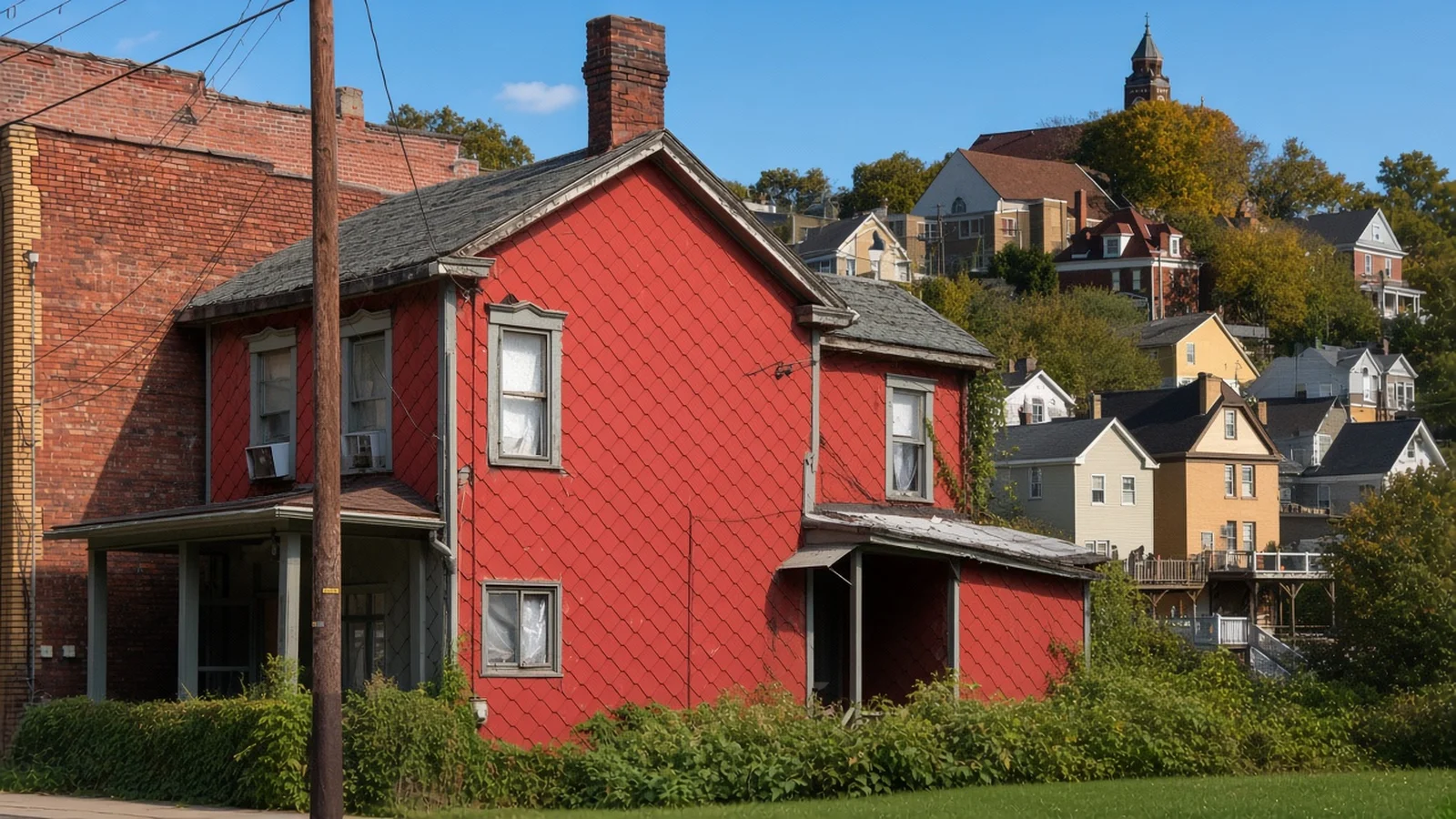
Status as of November 17, 2026: I did not find a reliable public dataset of what investors actually spend, by scope, to rehab Pittsburgh rowhouses and duplexes. This post does not invent a per-square-foot menu. Where I mention a dollar figure, it comes from a cited source, such as a utility sample bill, not from a contractor-marketing blog.
Out-of-state buyers ask for a number: "What does it cost to rehab a Pittsburgh rowhouse?" There isn't one honest number. A cosmetic refresh of a sound house and a full mechanical, electrical, and plumbing replacement in an 1890s duplex are not the same job, even if they have the same floor area. Anyone who quotes a single range without walking the house is selling certainty they do not have.
What I can do is tell you what usually drives the cost here, why the budget you brought from another market blows up, and how to bid the work so you are not guessing.
Scope matters more than square footage
Square footage is a weak starting point in this housing stock. Two 1,400-square-foot rowhouses can produce very different bids once you open walls. One may need paint, flooring, and a kitchen. The other may need a new service panel, a sewer lateral, a chimney liner, and a rebuilt party-wall chimney. The second job is not "a little more per foot." It is a different project.
I would group work the way a contractor actually bids it, not the way a spreadsheet does:
- Make-ready and cosmetic work: paint, flooring, fixtures, kitchens and baths that are dated but functional, and punch-list items in a house whose systems already work.
- System replacement: roof, furnace or boiler, water heater, electrical service and wiring, plumbing stacks, windows, and exterior masonry that is failing.
- Hidden or site work: sewer laterals, water service lines, foundation moisture, retaining walls, drainage, and shared-wall or chimney problems you will not see on a listing photo.
You can combine those categories in one project, and that is often where owners get into trouble: they budget the first category and discover they are in the second and third.
The Pittsburgh problems that move the number
Older Pittsburgh houses have a short list of issues that repeatedly change a bid after work starts.
Below grade and outdoors. Wet basements, failed downspouts, hillside drainage, and stone or concrete retaining walls are common. A pretty interior does not matter if the rear wall is moving.
Sewer and water. A clay or broken sewer lateral can be a project of its own. On the water side, many City properties still have lead service lines; replacement timing and owner responsibilities are covered in Pittsburgh Water's 2027 Lead Line Replacements. If you pay the water bill during a vacancy or a rehab, Pittsburgh Water's published sample residential bill, at rates effective March 8, 2026, is $115.29 for Pittsburgh Water charges plus $44.11 for ALCOSAN, or $159.40 combined, for a typical 3,000-gallon month. That is an occupancy-style bill, not a rehab allowance, but it is a reminder that holding costs continue while the house is open.
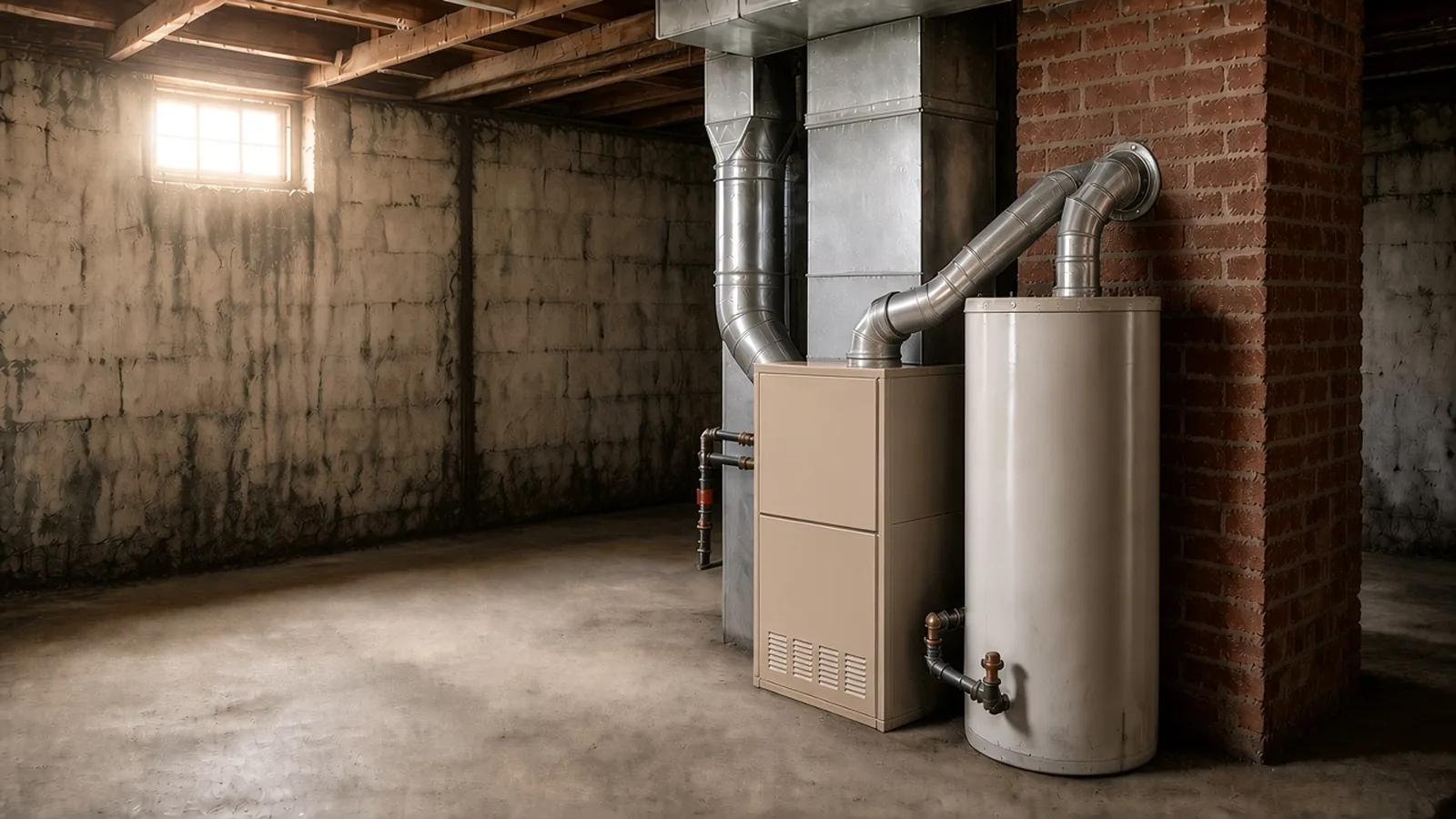
Heat, chimneys, and venting. Many houses still have a naturally vented furnace or water heater tied to a masonry chimney. If a prior owner installed a high-efficiency furnace and left the water heater on the old flue, you can inherit a venting problem. See Chimney Backdrafting and CO in Older Pittsburgh Rentals.
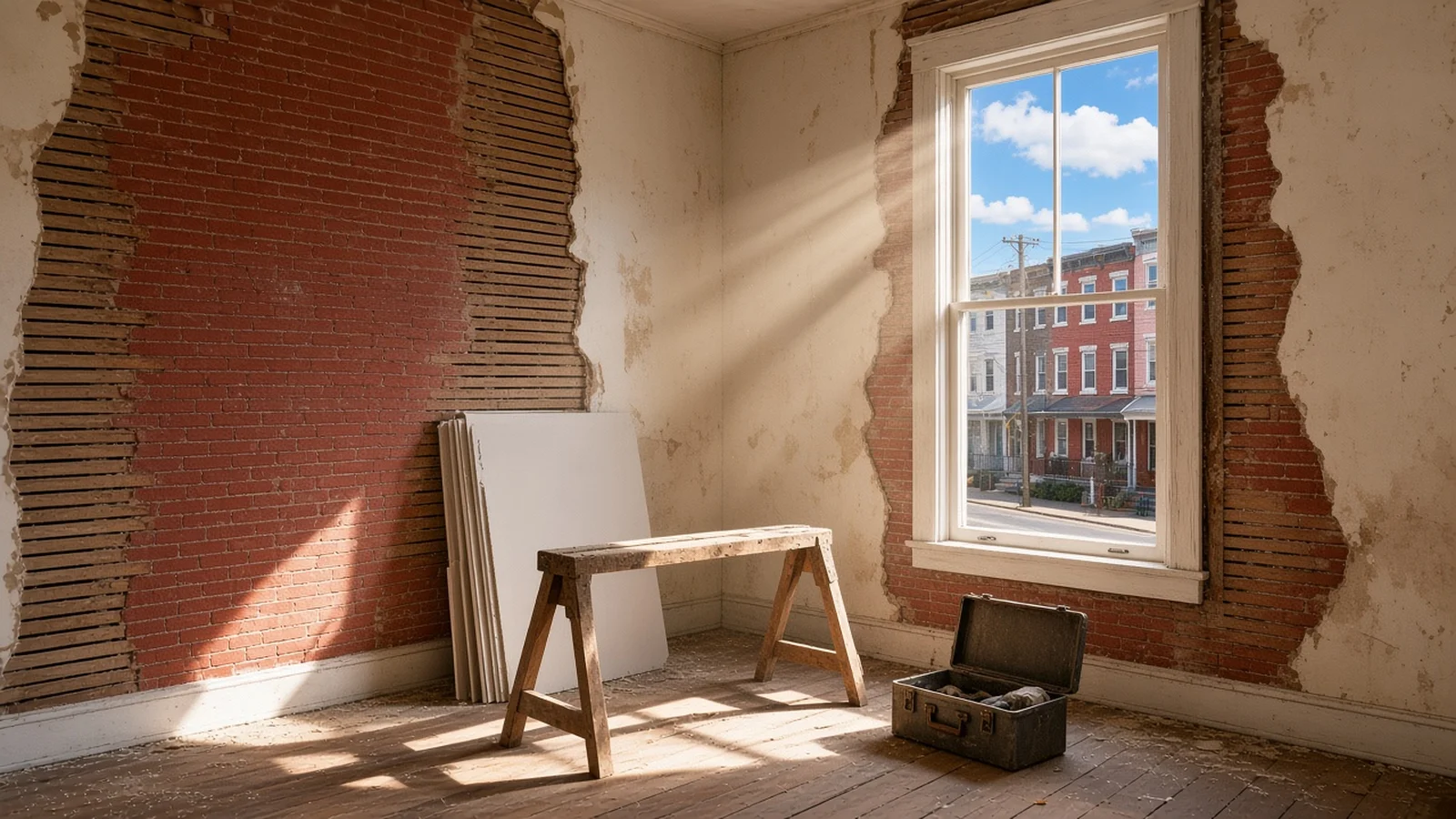
Electrical and plumbing in the walls. Knob-and-tube or undersized services, galvanized or mixed piping, and unpermitted past work show up once plaster comes off. Lead paint is likely in pre-1978 housing; federal renovation, repair, and painting rules apply when you disturb it. Those rules affect who can do the work and how it is contained, which affects cost and schedule.
Access and neighbors. Rowhouses and tight duplexes mean shared walls, limited parking for a dumpster, and narrow streets. Protection of the neighboring house, window well, or party-wall chimney is part of the job, not an extra.
Permits and inspections. Work of any real scope will need permits, and rental or occupancy inspections may apply before you can lease the unit. Requirements differ in the City and in surrounding boroughs. Build that time into the calendar. I am not publishing a fee table here; confirm current fees with the City's Department of Permits, Licenses, and Inspections or the local borough.
Why budgets blow up
Most overruns I see are not because a contractor "is expensive." They come from a scope that was never complete:
- The bid was based on a walk-through without opening electrical panels, sewer access, or the roof.
- The owner used a per-square-foot number from another city, or from a blog, and called it a budget.
- Allowances for cabinets or flooring were treated as caps, then upgraded mid-job.
- The house was left without heat in cold weather, and pipes or plaster paid for that delay.
- Unpermitted prior work had to be brought up to code before the new work could pass inspection.
- Only one bid was solicited, and the change orders had no competition.
- The schedule assumed a crew would start next week, in a market where good mechanical and masonry contractors are booked.
Holding costs pile up in the gap: loan interest, insurance, utilities, taxes, and lost rent. A delayed finish in November can easily become a January lease-up. If you are running a buy-rehab-refinance plan, that delay also moves the refinance. See Does BRRRR Still Work in Pittsburgh?.
How to bid the work without a fake number
- Walk the house with a general contractor and, on an older building, a plumber, electrician, and HVAC technician who will look at sewer, service size, and venting
- Get more than one written bid, with the same scope on paper
- Ask each bid to separate cosmetic work from systems and from site work, and to list allowances
- Budget time for permits, inspections, lead-safe work practices, and winter weather
- Keep a contingency for conditions that are not visible until walls or floors are opened; I will not invent a percentage, but a bid with no contingency is not a complete budget
- Confirm who pulls permits and who calls for inspections
- Do not schedule tenants, or a refinance appraisal, on the first date you hope to be finished
- If you already own a stalled rehab, stop adding scope until someone inventories what is incomplete and what is unsafe
A careful bid package will still have unknowns. The goal is to put the unknowns on the page before you buy, or before you tear the kitchen out.
How PRC helps
If you are buying, an Acquisition Review ($1,995, or $1,495 through March 31, 2027; two properties for $2,795; delivered five business days after the site visit) is designed to flag the systems that usually break a rehab budget, so you can bid them before you are committed. A Desktop Deal Screen ($395, or $295 through March 31, 2027; two business days; credited toward the Acquisition Review) can catch obvious red flags from the documents and public records first.
If you already own a rowhouse or duplex mid-rehab, or a building whose deferred maintenance has gotten ahead of you, Stabilization & Turnaround Advisory starts at $3,500. Book by March 31, 2027, and that includes 30 days of follow-up advisory check-ins.
Want help scoping a rehab before the budget gets away from you? Book a free 20-minute discovery call.
Sources
- Pittsburgh Water: Rates, effective March 8, 2026, sample residential bill of $115.29 plus $44.11 ALCOSAN
- U.S. Environmental Protection Agency: Renovation, Repair and Painting Program (lead-safe work practices in pre-1978 housing)
- City of Pittsburgh Department of Permits, Licenses, and Inspections: https://www.pittsburghpa.gov/pli (confirm current permit and rental-inspection requirements)
This article is general information for property owners, not a bid, cost estimate, or construction or legal advice. Rehab costs depend on the building, the scope, labor and material markets, and code requirements, all of which change. Get written local bids and confirm permit rules with the relevant municipality before you budget a project.
Want a second set of eyes on your rental?
Talk with Eddie about your property, your concerns, and the right next step.
Book a free 20-minute discovery call