Status as of November 17, 2026: The steps below are general information, not legal advice. Confirm your situation with a Pennsylvania landlord-tenant attorney, especially before you serve notices or file in court.
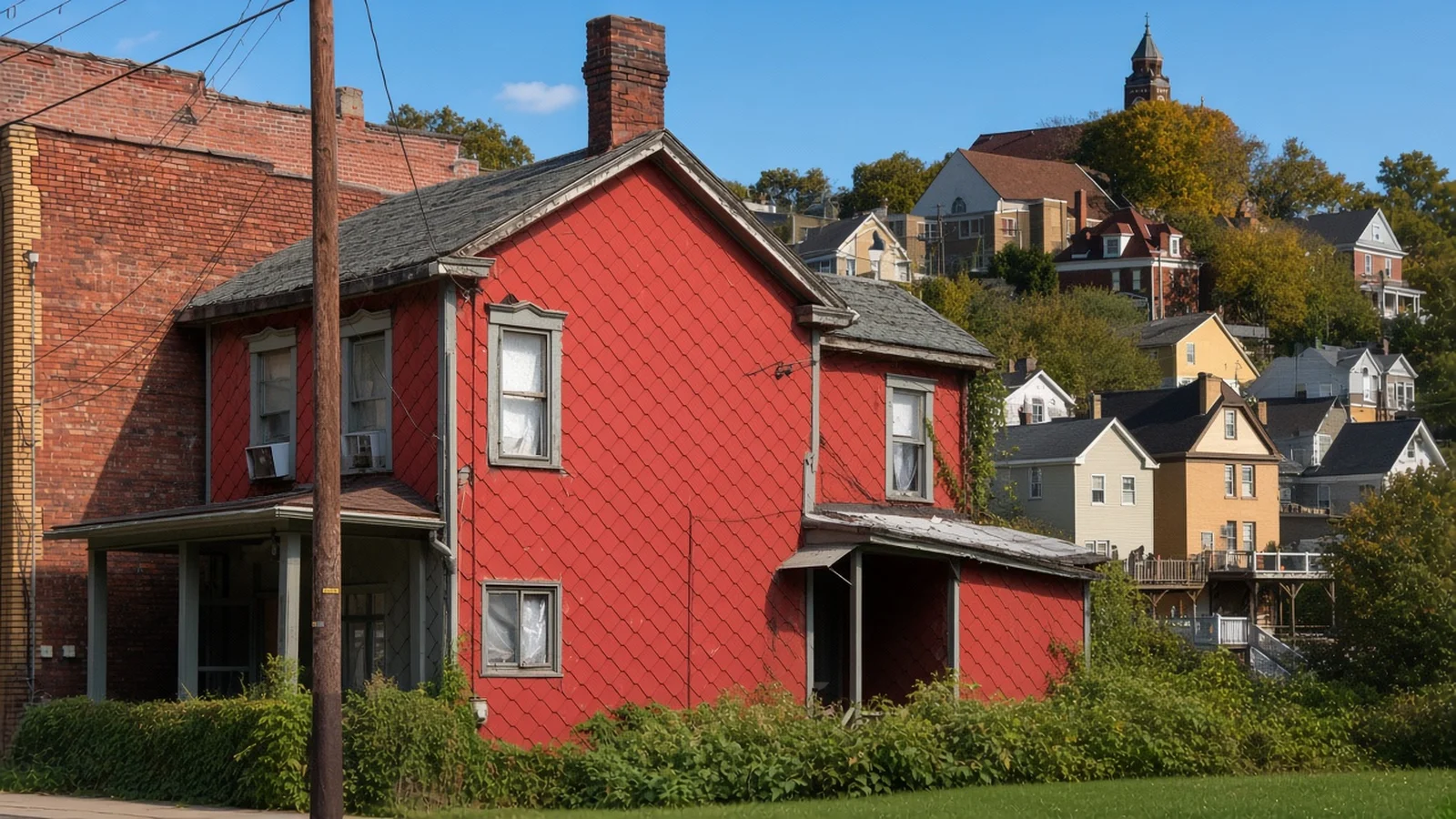
People call when the house is already a problem. A parent dies and leaves a duplex with a tenant who has not paid in months. An out-of-state buyer closes on a "value-add" property and finds open citations, a broken furnace, and a security deposit that was never escrowed. The instinct is to change the locks, shut off the utilities, or start ripping out kitchens. That instinct is how owners turn a hard situation into a lawsuit.
You do not have to solve everything in a week. You do have to get the legal and safety basics right, then work the property in a deliberate order.
First, find out what you actually own
Get the file, even if it is a shoebox. You need the current lease or a written account of a month-to-month tenancy, the rent amount, a ledger of what has been paid, utility accounts, insurance, and any letters from the Allegheny County Health Department, the City's Department of Permits, Licenses, and Inspections, or a borough code office.
A sale or an inheritance does not automatically end a residential lease. The tenants who were there when title changed are generally still tenants, with the rights and duties that go with that. Security deposits are the tenants' money, held under the Landlord and Tenant Act of 1951. If you just took title, find every deposit, confirm where it is held, and do not treat it as closing cash. The Act's escrow, interest, and 30-day return rules are summarized in PA Landlord-Tenant Basics for Out-of-State Owners.
Confirm insurance the same week. A vacant or poorly maintained building can be hard to place and easy to under-insure. If heat or water is in the landlord's name, keep those accounts current. A shutoff in winter is how pipes burst; see Winter Utility Shutoffs and LIHEAP and Before the Deep Freeze.
Do not use self-help
Pennsylvania does not let a landlord evict by changing locks, removing doors, or shutting off utilities to force someone out. The Attorney General's Consumer Guide to Tenant and Landlord Rights states that self-help eviction is prohibited and that the owner has to follow the notice and court process. If you need possession, you use a written notice to quit and, if the tenant does not leave, a landlord-tenant complaint in the magisterial district court for that property. There is no legal shortcut because you live in another state, and no shortcut because you "just inherited it."
If the relationship with the tenant is already strained, a court filing is not the only tool. Just Mediation Pittsburgh, which Allegheny County Housing Authority also points landlords to, offers free, confidential, voluntary mediation for housing disputes. It is worth asking about before, or alongside, a filing.
Safety and habitability come before the cosmetic rehab
Pennsylvania law includes an implied warranty of habitability, recognized by the state Supreme Court in Pugh v. Holmes, 405 A.2d 897 (Pa. 1979). Serious defects, such as no heat in winter, no water, a leaking roof, unsafe stairs, or a rodent infestation, are not optional maintenance. A lease term that tries to put all repairs on the tenant does not make those problems go away.
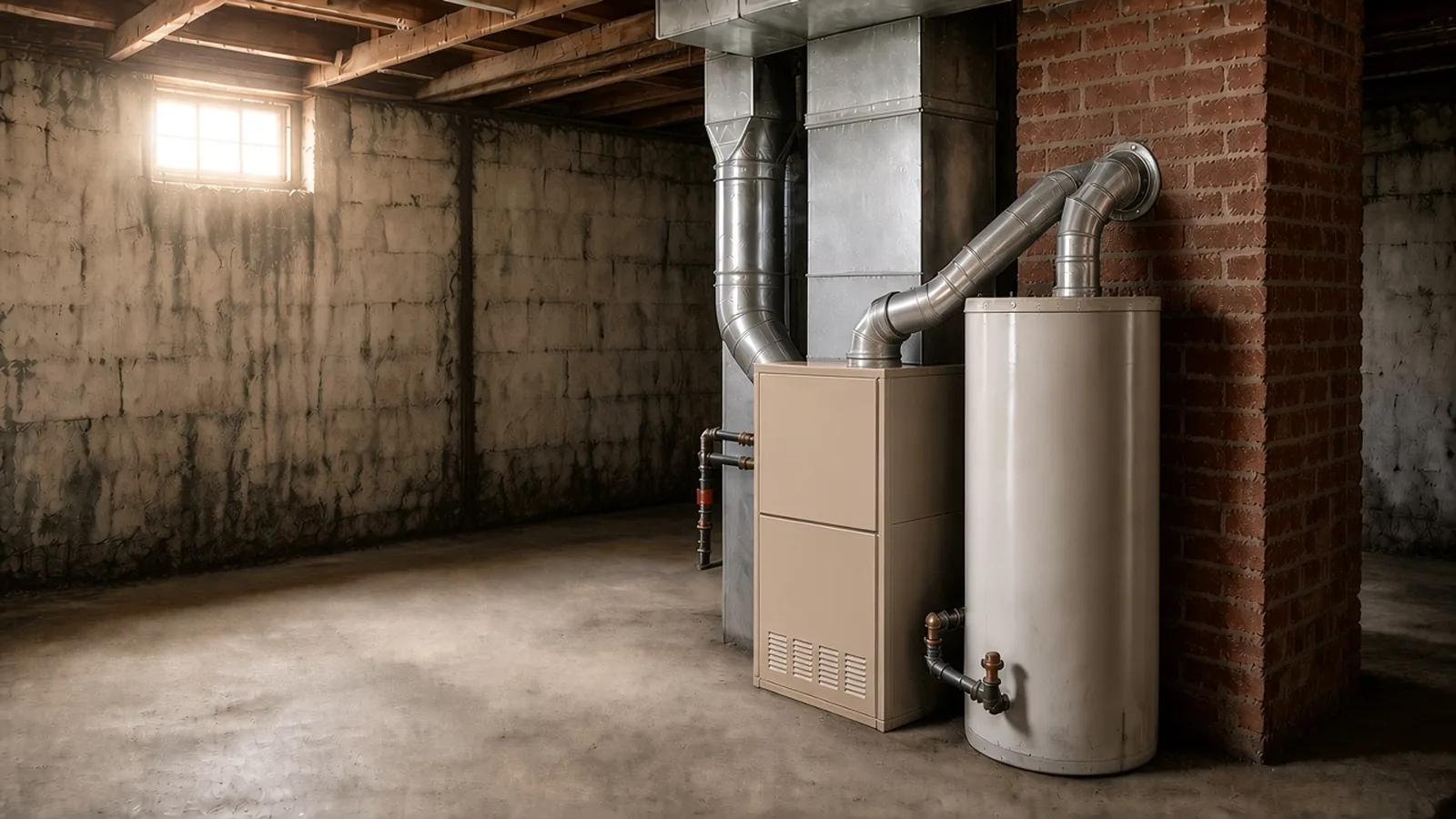
Walk the building, or have someone qualified walk it, for heat, hot water, electrical hazards, leaks, sewage, smoke alarms, and carbon monoxide alarms. In older houses, check whether a furnace or water heater is backdrafting into a tired chimney; we covered that in Chimney Backdrafting and CO in Older Pittsburgh Rentals. If a heating appliance is unsafe and the unit loses heat, Allegheny County can treat that as an emergency. Under the County's relocation rule, negligence that makes a unit uninhabitable can leave the owner paying for hotel stays. See No Heat, Hotel Bill.
Open code violations should go on the same list, not in a drawer. Citations do not disappear because title changed. Respond, ask what it takes to close them, and do not start a gut rehab that ignores an active order. If a dwelling has been certified unfit and rent is in escrow under 35 P.S. § 1700-1, the eviction picture changes; get legal advice before you file.
Then deal with the tenancy, in writing
Once the unit is safe enough to occupy, address rent and lease terms in writing. If rent is owed, a notice to quit for nonpayment generally gives 10 days after service, unless a lawful lease provision shortens or waives that notice. Other breaches are often 15 or 30 days, depending on the lease term. Those periods, and the magisterial district court timeline, are in the companion post on Pennsylvania landlord-tenant basics.
Screen any new occupant the same way you would any applicant, and do not invent a cash-for-keys number you cannot stand behind. If you later need to evict, an eviction filing can become a screening issue for that tenant; Pennsylvania has also considered changes to eviction-record sealing, which we discussed in the HB 1095 post. Keep records.
Deferred maintenance that is not an immediate habitability issue can be phased: roof and water, then electrical and sewer, then interiors. A struggling rental is often a stack of small deferred items, not one dramatic defect. Trying to renovate around an unstable tenancy, or evict into an unsafe vacancy in January, is how costs multiply.
A practical order of operations
- Confirm title, insurance, and all utility accounts; keep heat and water on
- Collect the lease, rent ledger, security deposits, and any code letters
- Walk the property for heat, water, sewage, electrical hazards, smoke and CO alarms, and leaks
- List open citations and the work required to close them
- Communicate with occupants in writing; do not change locks or shut off utilities to force a move-out
- Get legal advice before serving a notice to quit or filing in magisterial district court
- Consider mediation where a workable tenancy can be saved
- Phase repairs: safety and code first, then water-tightness, then cosmetic work
- Rebuild a simple operating file: lease, deposits, vendors, permits, and a reserve
How PRC helps
This is the work Stabilization & Turnaround Advisory is for. The service starts at $3,500, is delivered five business days after the site visit, and, if you book by March 31, 2027, includes 30 days of follow-up advisory check-ins. We walk the property, sort the habitability and code issues from the longer capital list, and help you build a plan you can run from out of town.
If you are still deciding whether to keep, sell, or recapitalize the building, we can start with a conversation and, where a purchase is still pending, an Acquisition Review.
Want help putting a struggling rental in order? Book a free 20-minute discovery call.
Sources
- Pennsylvania Office of Attorney General, Bureau of Consumer Protection: Consumer Guide to Tenant and Landlord Rights (Version 1.1, last updated June 13, 2022), including the statement that self-help eviction is prohibited
- Pugh v. Holmes, 405 A.2d 897 (Pa. 1979) (implied warranty of habitability)
- 35 P.S. § 1700-1, noted in Pa.R.Civ.P.M.D.J. 582 (no eviction for any reason while rent is deposited in escrow because the dwelling has been certified unfit for human habitation)
- Landlord and Tenant Act of 1951, including Section 501 (notice to quit) and Section 512 (security deposit return)
- Just Mediation Pittsburgh: https://www.justmediationpgh.org/, also referenced on the Allegheny County Housing Authority landlord resources page
This article is general information for property owners, not legal, tax, or property-management advice. Inheritance, probate, code enforcement, and eviction all depend on the facts and can change. Consult a Pennsylvania attorney and the relevant county or municipal agency before you act.
Want a second set of eyes on your rental?
Talk with Eddie about your property, your concerns, and the right next step.
Book a free 20-minute discovery call