Status as of November 17, 2026: Payment standards in this post are the charts effective January 1, 2026. Housing authorities can revise them, and HACP has discussed further changes for 2027. Confirm the current chart and the unit's tier or map designation before you rely on a number.
"Section 8" is the name most owners still use for the Housing Choice Voucher program. The federal program pays part of a household's rent directly to the landlord; the tenant pays a share based on income. It can be a stable way to lease a unit from out of town, but the paperwork, inspections, and rent rules are different from a conventional lease, and more than one local agency administers the program.
First, which housing authority?
The address of the unit, not the owner's address, decides the agency.
- The Housing Authority of the City of Pittsburgh (HACP) administers vouchers for units in the City of Pittsburgh. Its landlord information is at hacp.gov.
- The Allegheny County Housing Authority (ACHA) administers vouchers for much of suburban Allegheny County. Its landlord information is at achsng.com.
- The McKeesport Housing Authority administers a separate Housing Choice Voucher program for units in the City of McKeesport (mckha.org).
A tenant may port a voucher from one agency to another, but you will still deal with the rules and inspections of the agency that contracts for that unit. Do not apply an HACP payment standard to an ACHA contract, or the reverse.
Both agencies also administer special-purpose vouchers, including HUD-VASH for veterans.
Payment standards are not a guaranteed rent
A payment standard is the figure the housing authority uses when it calculates the subsidy. It is not an automatic approval of your asking rent, and it is not a check for that amount. Rent also has to be reasonable compared with unassisted units. HACP says it reviews requested rent against unassisted rents on similar units within a half-mile. ACHA tells landlords that in no case can the rent be more than comparable available unassisted units, and that payment standards "are not guaranteed."
Both agencies use location-based tiers, not one countywide number.
HACP's regular / tiered voucher payment standards effective January 1, 2026, in dollars per month, are:
| Tier | Efficiency | 1 BR | 2 BR | 3 BR | 4 BR |
|---|---|---|---|---|---|
| 1 | 1,779 | 1,914 | 2,309 | 2,952 | 3,179 |
| 2 | 1,668 | 1,794 | 2,165 | 2,768 | 2,981 |
| 3 | 1,557 | 1,674 | 2,020 | 2,583 | 2,782 |
| 4 | 1,446 | 1,555 | 1,876 | 2,399 | 2,583 |
| 5 | 1,334 | 1,435 | 1,732 | 2,214 | 2,384 |
| 6 | 1,223 | 1,316 | 1,587 | 2,030 | 2,186 |
HACP's chart also lists five- and six-bedroom amounts. Look up the unit on HACP's payment standard map. Map dollar amounts assume the landlord pays all utilities; if the tenant pays some, a utility allowance is part of gross rent. HACP has discussed further changes for 2027, so use the current official chart.
ACHA's voucher payment standards effective January 1, 2026, also use six tiers. Two-bedroom amounts run from $1,623 in Tier 6 to $2,360 in Tier 1; one-bedroom amounts run from $1,354 to $1,970, and three-bedroom amounts from $2,069 to $3,010. ACHA posts the chart and a tier map with its landlord forms.
For context, HUD's FY2027 Fair Market Rent for a two-bedroom in the Pittsburgh metro area is $1,389. That is a metro-wide benchmark effective October 1, 2026, and it includes utilities. Local payment standards can be higher or lower than that figure depending on the agency and the tier. None of these numbers is a promise of what your unit will be approved to rent for.
Inspections, leases, and payments
You select the tenant and screen them as you would any applicant, subject to fair housing law. The household and the owner then submit a Request for Tenancy Approval (RFTA). The unit has to pass inspection before the housing authority will make Housing Assistance Payments, and the lease generally starts only after that pass and a contract.
HACP. New HUD NSPIRE inspection standards took effect for HACP Housing Choice Voucher units on October 1, 2025. After an RFTA is approved, HACP says the inspector has five days to schedule and conduct the initial inspection. If the unit fails, the owner has 14 days to complete repairs; if that window is missed, a new RFTA is required. HACP will not pay until the unit passes and a lease start date is set. Pre-inspections are offered and, if passed, are valid for 90 days. HACP also publishes a pre-inspection NSPIRE checklist.
ACHA. ACHA's landlord FAQ says inspections are scheduled approximately 15 business days after the RFTA and prior-year tax verification are received, and that utilities, including water, must be on for the initial inspection. If a borough requires an occupancy permit, ACHA says the unit will not pass without it. ACHA's current landlord-resources and forms pages include NSPIRE inspection materials, while some older FAQ language still refers to Housing Quality Standards. Confirm the current standard and checklist with ACHA before the first inspection. ACHA also tells owners it will not pay subsidy for days the tenant occupies the unit before the contract starts, that contracts begin on the 1st or the 15th, and that failed inspections can lead to abatement of the housing assistance payment until the unit passes again, without back pay for the failed period.
In both programs, you may charge a security deposit, but not more than you would charge an unassisted tenant, and Pennsylvania's security-deposit limits still apply. You cannot collect a side payment from the family above the approved rent. Rent increases, if allowed, follow the agency's notice and "rent reasonableness" rules (ACHA, for example, asks for a request at least 60 days before the tenant's recertification, once per year). The housing authority is not a party to the lease in the ordinary sense; you still enforce the lease, and you still use the court process if you need possession.
Pros, cons, and whether you have to participate
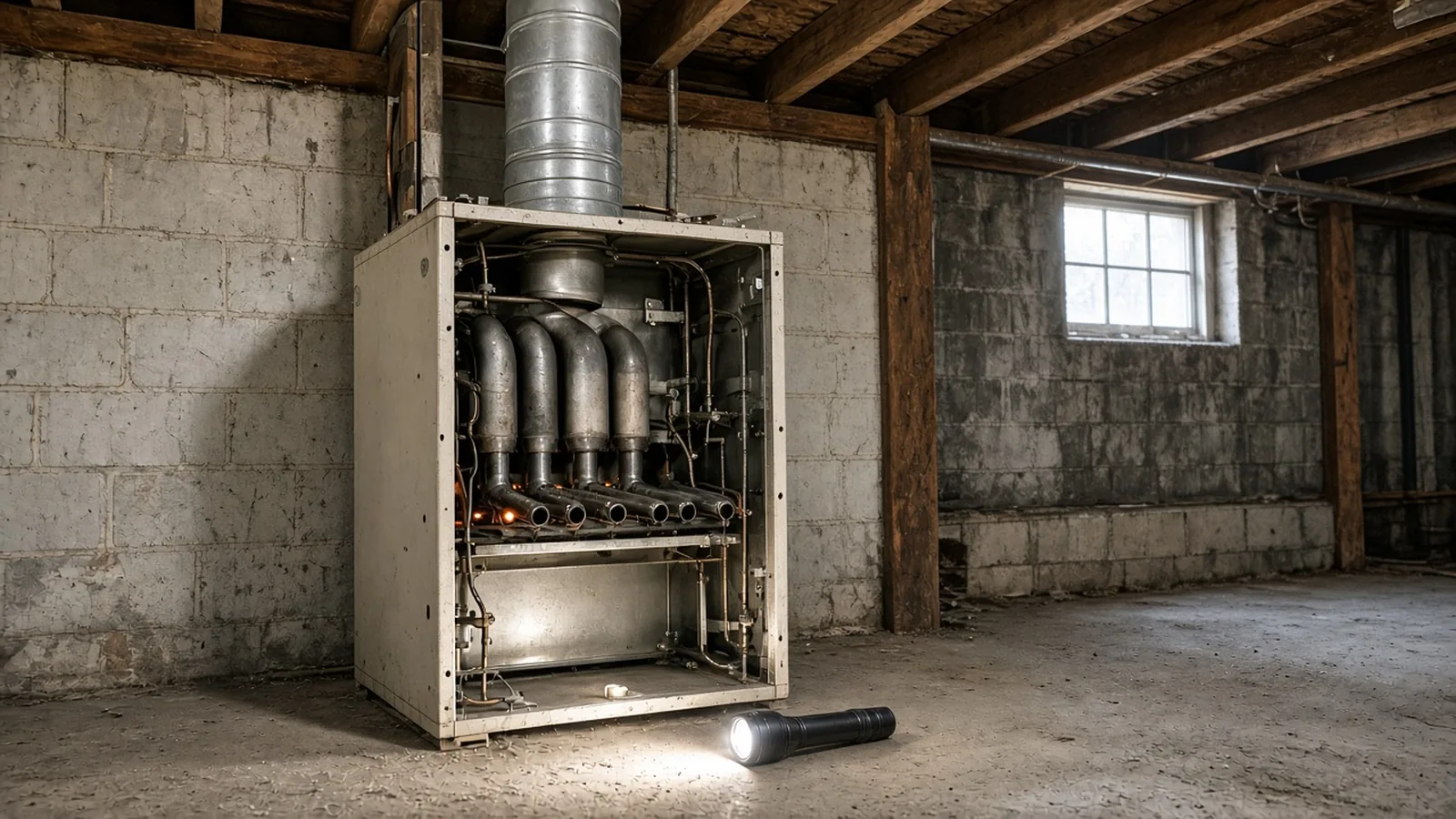
The advantages are real: a portion of the rent is paid by the agency, inspections can catch safety items, and programs such as VASH can house veterans who come with case management. The trade-offs are also real. You wait on RFTA review and inspection before rent starts. A failed inspection can delay the lease-up or later stop the assistance payment until repairs pass. Approved rent may be lower than you asked. Paperwork, lead-paint disclosure in pre-1978 housing, and periodic inspections are part of the job. If the unit already has deferred maintenance, stabilize it before you invite a voucher inspection.
You are not generally required to accept a voucher. Pittsburgh enacted a source-of-income ordinance in 2015 that would have required participation. The Pennsylvania Supreme Court struck that ordinance down in 2021, in Apartment Association of Metropolitan Pittsburgh v. City of Pittsburgh. Fair housing laws still prohibit discrimination based on protected characteristics; refusing a voucher is not a license to refuse a family for an unlawful reason. Owners who receive city public funds should confirm whether any current contractual conditions apply. When you do participate, follow the agency's contract and ordinary landlord-tenant law, including the notice and court process described in PA Landlord-Tenant Basics for Out-of-State Owners.
Landlord checklist
- Confirm which agency covers the unit: HACP, ACHA, or McKeesport Housing Authority
- Look up the current payment standard and utility treatment for that exact address
- Screen the applicant as you would any tenant, and follow fair housing law
- Complete the RFTA accurately; do not move the tenant in before the inspection and contract
- Use the agency's current inspection checklist, and have utilities on
- If a borough occupancy permit is required, have it before the inspection
- Put the approved rent, utility responsibilities, and deposit in the lease, with no side payments
- Calendar re-inspections and any rent-increase deadlines
- Keep the unit safe and habitable between inspections; abatement is expensive
How PRC helps
If you are deciding whether a unit is ready for a voucher inspection, or you already have a failed inspection or deferred repairs, Stabilization & Turnaround Advisory is built for that work. It starts at $3,500, is delivered five business days after the site visit, and, if you book by March 31, 2027, includes 30 days of follow-up advisory check-ins.
If you are buying a property with voucher tenants already in place, an Acquisition Review can put inspection readiness, rent, and building systems on the same page before you close.
Want to talk through whether a unit is a fit for the program? Book a free 20-minute discovery call.
Sources
- Housing Authority of the City of Pittsburgh: Become an HCV Landlord and Unit Inspections (NSPIRE effective October 1, 2025; five-day initial inspection; 14-day repair window)
- HACP: Regular / Tiered Voucher Payment Standard, effective January 1, 2026 (PDF) and payment standard map
- Allegheny County Housing Authority: Landlord Resources, Landlord FAQ, and Landlord Forms, including voucher payment standards effective January 1, 2026
- McKeesport Housing Authority: Housing Choice Voucher Program
- U.S. Department of Housing and Urban Development: FY2027 Fair Market Rents, Pittsburgh, PA HUD Metro FMR Area
- Apartment Association of Metropolitan Pittsburgh, Inc. v. City of Pittsburgh, 261 A.3d 1036 (Pa. 2021)
This article is general information for property owners, not legal advice and not a rent determination. Housing authority rules, payment standards, and inspection standards change. Confirm current requirements with HACP, ACHA, or the McKeesport Housing Authority, and with a Pennsylvania attorney if you have questions about participation or fair housing.
Want a second set of eyes on your rental?
Talk with Eddie about your property, your concerns, and the right next step.
Book a free 20-minute discovery call