Status as of November 17, 2026: The City of Pittsburgh's latest official notice on the Residential Housing Rental Permit Program, published June 6, 2025 and still posted, says compliance remains voluntary until further notice. Fees below are from the official 2026 PLI fee schedule, effective January 1, 2026. Borough examples are from current published fee schedules or code, and should be confirmed with that municipality.
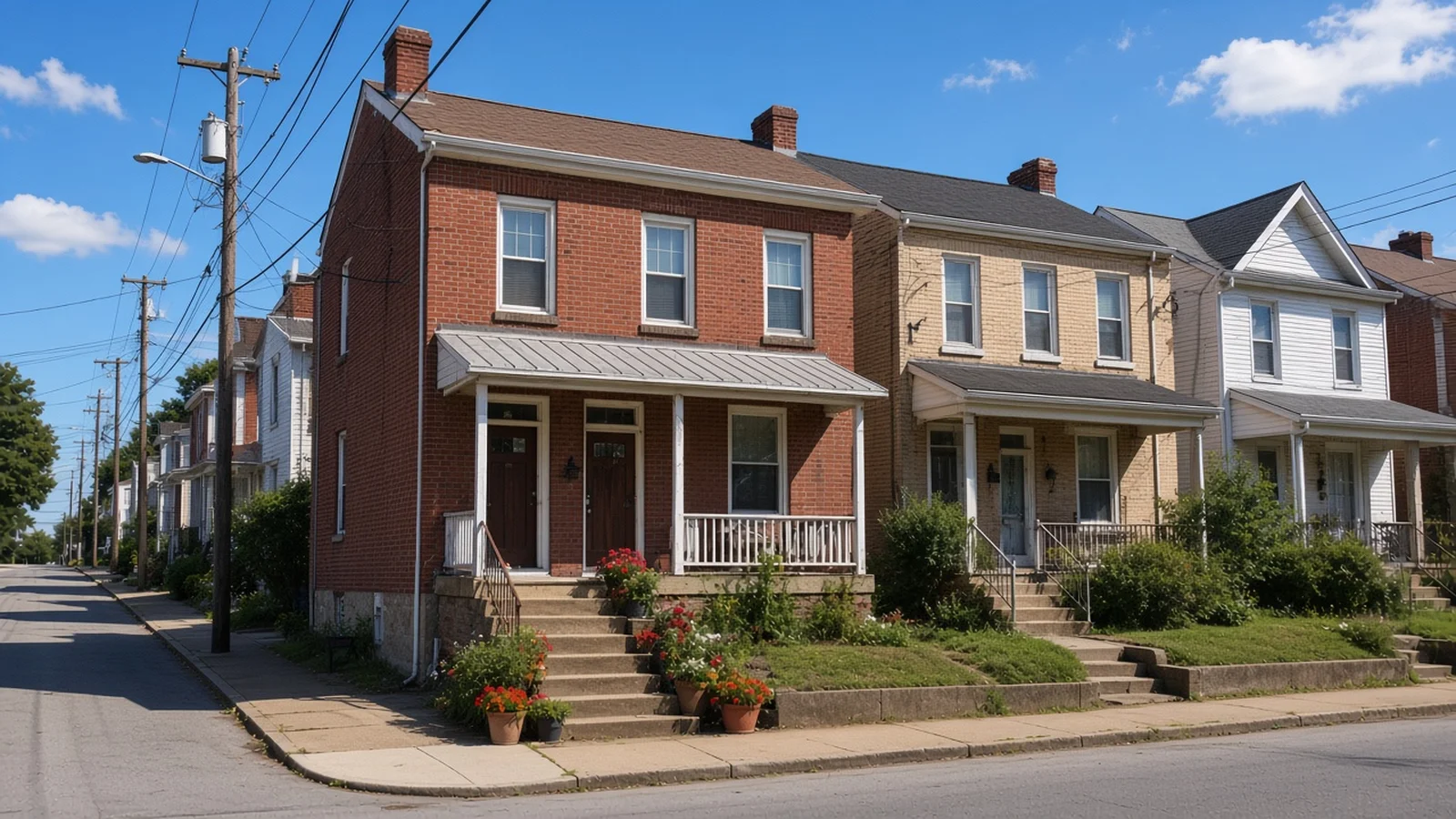
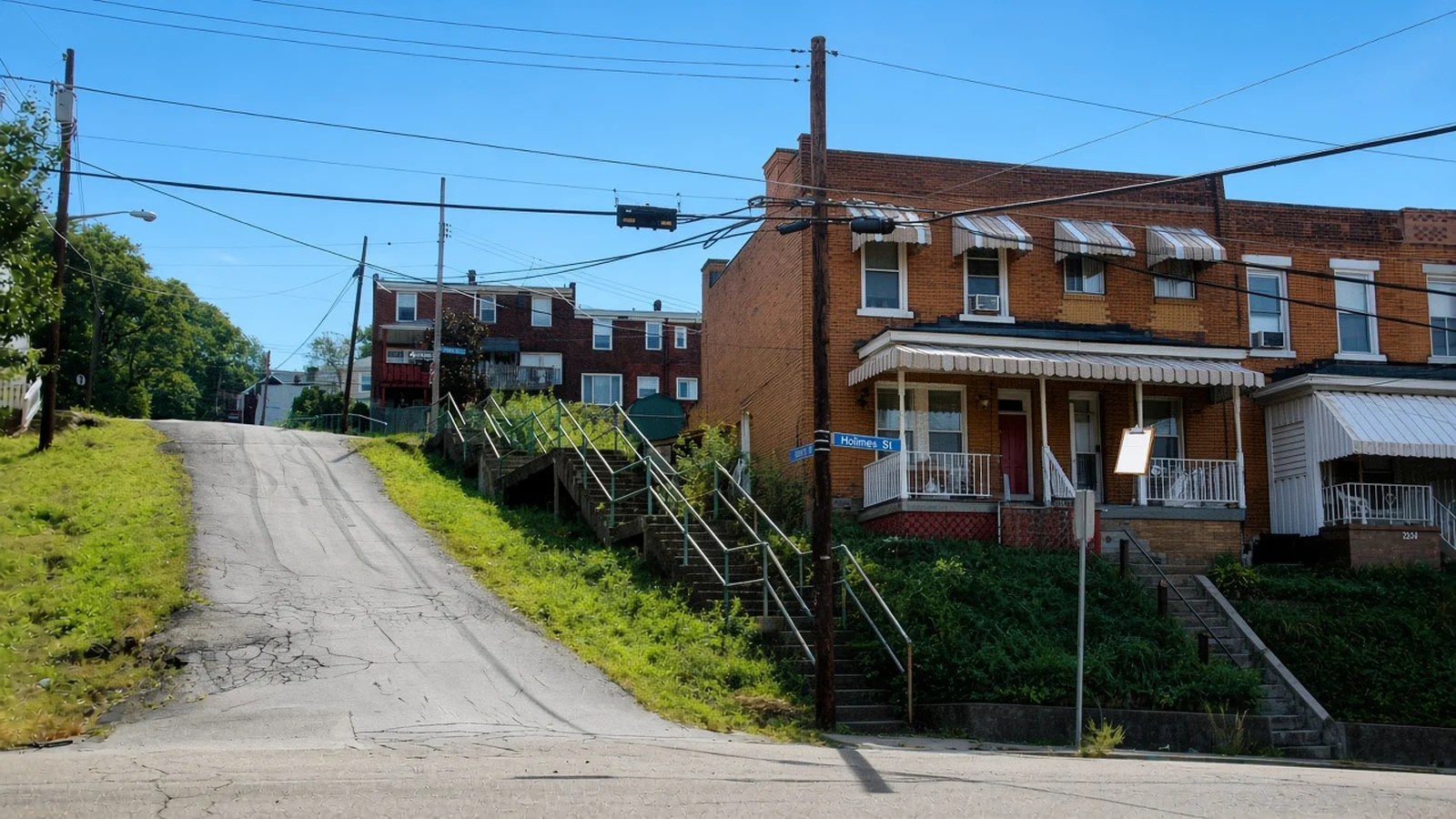
If you buy a rental in this market, you are not dealing with one inspection system. The City of Pittsburgh is building a rental permit program. Many of the boroughs and townships around it already inspect when a property is sold or when a new occupant moves in. Out-of-town buyers get caught when they assume a Pittsburgh mailing address means city rules, or when they leave a borough occupancy inspection until the week of closing.
The city's rental permit program
On December 19, 2024, the Department of Permits, Licenses, and Inspections (PLI) launched the Residential Housing Rental Permit Program, also called a rental registry. The city's stated purpose is to make sure rental units meet basic health and safety standards.
As of the city's latest posted notice, compliance remains voluntary until further notice. PLI has said it will publish revised rules and notify City Council at least 30 days before full enforcement begins, and that it is not seeking penalties for non-compliance until then. Fees collected during voluntary registration are to be applied to amounts due once enforcement starts, and are otherwise nonrefundable except when collected in error.
I would still plan as if registration and inspection are coming. The fees are already on the 2026 schedule, and a purchase underwriting should not depend on the program staying voluntary for the life of the loan.
2026 city fees
The official 2026 PLI fee schedule lists:
- Rental Registration Fee: $16 per property, for the initial registration and for each annual renewal
- Rental Registry General Inspection Fee: $5.50 per rental permit, initial and renewal
- Rental Registry Unit Inspection Fee: $14 per unit, initial and renewal
A one-unit property, if those three fees are all due, is $35.50. A four-unit building would be $16 + $5.50 + $56, or $77.50. Overtime registration inspection fees are also listed at $175 and $58. Use the current schedule when you register; don't rely on an old blog post.
Registration is handled through the city's OneStopPGH portal once you are ready to file.
City sales also have a dye-test requirement
Separate from the rental permit, Pittsburgh Water requires an Evidence of Compliance Certificate before a city property can be sold. The application fee is $20. In a sanitary-sewer area, a dye test may be required to confirm that downspouts and other stormwater drains are not tied into the sanitary sewer. Combined-sewer properties generally do not need the dye test after the application is reviewed. Certificates are valid for three years. This is a closing item, usually handled by the seller, and it can delay a sale if corrective work is needed. I also mention it in How to Buy a Pittsburgh Rental from Out of State.
Suburban boroughs: occupancy inspections, not one city registry
Outside the city, there is no single countywide rental permit. Each borough or township writes its own rules. The common pattern is a certificate of occupancy, use and occupancy, or similar inspection at sale, at a change of occupant, or both, plus, in some places, an annual tenant registration.
Fees and triggers differ, which is why I only quote official schedules and then tell you to call the municipality.
Dormont. The Borough of Dormont's 2026 fee schedule lists occupancy permits at $100 for a residential property with two units or fewer, $200 for three or more residential units, and $300 for commercial and mixed use, with a $25 reinspection fee. It also lists tenant registration at $10 per unit if paid or postmarked by January 31, $20 after that date, and $50 after the last business day in March, with a possible citation and fine for later filings. The same schedule lists a sanitary sewer certificate at $25 (good for 90 days) and a municipal no-lien letter at $20. Confirm with the borough when an occupancy permit is required — at sale, at a tenant change, or both — before you write that into a contract or a turn schedule.
Wilkinsburg. The borough's fee chapter lists a residential occupancy fee of $60 per dwelling and a commercial occupancy fee of $125 per unit, plus tenant registration of $10 per dwelling. Some of those code provisions have older amendment dates, so treat the figures as a starting point and confirm the current fee and the inspection trigger with the borough office.
Mt. Lebanon. The Municipality of Mt. Lebanon's 2026 comprehensive fee schedule lists a residential occupancy permit at $80, plus $40 for each reinspection, and a commercial occupancy permit at $155 plus $105 for each reinspection. That schedule also lists a municipal claims letter at $25 and a tax certification letter at $20. An occupancy permit on a fee schedule is not the same thing as an inspection at every tenant change. Confirm with Mt. Lebanon when the permit is actually required.
Other boroughs have their own versions of the same idea. I have not tried to catalog all of them here, because the only safe practice is to ask the municipality that has jurisdiction over the parcel.
What this means when you buy or re-tenant
- The municipality on the tax bill controls the rules, not the "Pittsburgh, PA" line on the mailing address.
- In the city, budget time and fees for the rental permit program even while it is still voluntary, and confirm the dye-test certificate on every purchase.
- In a borough, ask whether an occupancy inspection is required at closing, at each new tenant, or both, and how far in advance you have to schedule it. A failed inspection can hold a settlement or leave a unit vacant.
- Lien letters, tax certifications, and sewer certificates are separate from occupancy. They have their own fees and turnaround times.
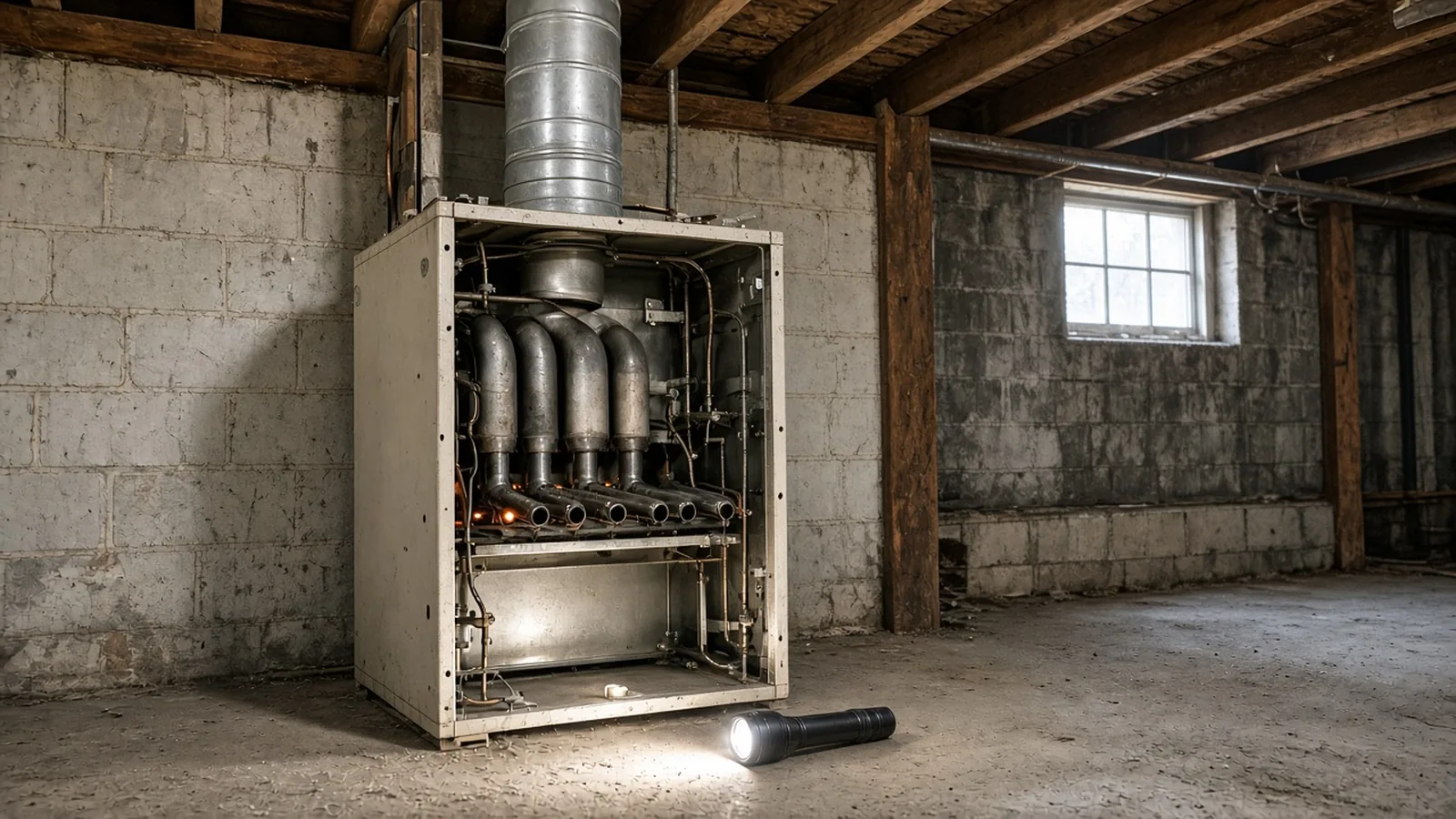
- Inspection standards often reach smoke and CO alarms, heat, plumbing, and basic safety. That overlaps with issues I covered in the backdraft and detector post and the no-heat post, but the local inspector's checklist is the one that will pass or fail the unit.
What I would do as an owner
- Confirm the municipality and school district for the parcel before you offer.
- If it is in the City of Pittsburgh, read the current PLI rental permit notice and the 2026 fee schedule, and confirm the Evidence of Compliance certificate early.
- If it is in a borough or township, call the building or code office and ask when occupancy or resale inspections are required, what they cost, and how long they take.
- Put those dates and fees into the purchase timeline and into your turn budget.
- Don't take a prior owner's verbal "we're registered" or "it already passed" as the file. Get the documents.
How PRC helps
Permit, occupancy, and closing requirements are part of an Acquisition Review. We look at the municipality you are actually buying in, not just the listing city, and the review is delivered five business days after the site visit. A Desktop Deal Screen can flag an obvious city-versus-borough issue in two business days before you spend money traveling.
If you want help checking the rules that apply to a property you are considering, book a free 20-minute discovery call.
Sources
- City of Pittsburgh: Residential Housing Rental Permit Program (published June 6, 2025)
- City of Pittsburgh, PLI: 2026 Fee Schedule
- Pittsburgh Water: Dye Testing
- Borough of Dormont: 2026 Fee Schedule
- Borough of Wilkinsburg: Chapter A266, Fees
- Municipality of Mt. Lebanon: 2026 Comprehensive Fee Schedule
This is general information about rental permits and inspections, not legal advice and not a substitute for the current rules of the city or borough that has jurisdiction over the property. Confirm fees, triggers, and scheduling with that municipality before you offer, close, or re-tenant.
Want a second set of eyes on your rental?
Talk with Eddie about your property, your concerns, and the right next step.
Book a free 20-minute discovery call